

No products in the basket.
If you are choosing a glass balustrade, one of the biggest decisions is whether to go for a frameless system or a post-and-rail design.
Both options can look good and both can be compliant when they are specified and installed properly. But they create a very different finish, and they solve practical problems in different ways.
At Balustrade Superstore, we help customers compare systems based on how they will actually be used, not just how they look in a photo.
This matters because the right choice is not always the cheapest one upfront or the one that seems safest at first glance. It is the one that gives you the right balance of views, compliance, installation practicality, and long-term finish.
What Is the Difference Between Frameless and Post-and-Rail?
The main difference is in how much visible structure the system uses.
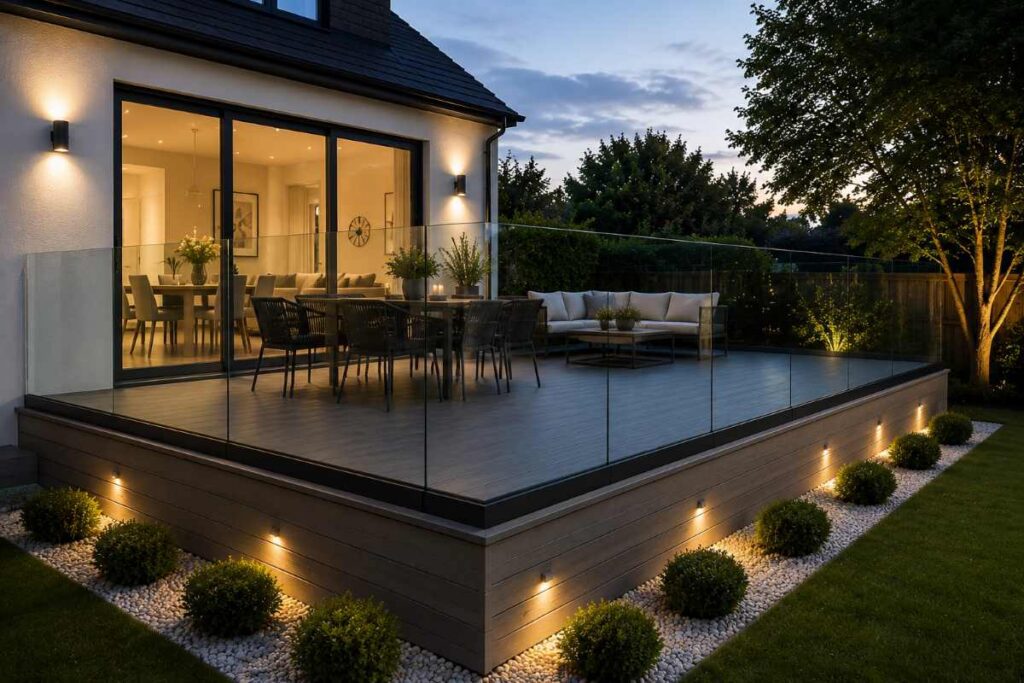
A frameless glass balustrade uses glass as the main visual feature, with very little visible support above the line of the floor. That gives it a cleaner and more open look.
A post-and-rail balustrade uses vertical posts and a top rail to support and define the system. The glass still plays an important part, but there is more metal visible across the finished balustrade.
That structural difference affects not only appearance, but also installation, sightlines, and how the system feels in use.
Views and Overall Appearance
For many buyers, this is where the choice becomes clear.
Frameless glass balustrades are usually chosen for clear, open, and unobstructed views. Because there are no full-height posts interrupting the panels, the finished result feels lighter and more minimal.
Post-and-rail systems look more structured. The posts and handrail create a visible frame around the glass, which some people prefer because it feels more defined and familiar.
That said, the same visible structure also blocks more of the view. On a balcony, terrace, or raised patio, that can make a real difference to how open the space feels.
Does One Option Feel Safer Than the Other?
This is a common question, especially for people who are newer to glass balustrades.
Some people find post-and-rail systems more reassuring at first glance because the posts and top rail make the barrier look more solid. There is a visible structure, and that can feel familiar in the same way that more traditional railings do.
But appearance and compliance are not the same thing.
Both frameless and post-and-rail glass balustrades can be safe when they are properly designed, tested, and installed for the correct location. Both types of system undergo rigorous testing and need to meet the relevant standards for the job.
So while post-and-rail may look more obviously protective to some people, frameless systems are not less safe just because they look cleaner.
Handrails and Height Requirements
Once the safety question is put in the right context, the next difference is how each system handles guarding requirements.
With post-and-rail systems, a handrail is needed where the balustrade is protecting a fall of more than 600 mm. That top rail becomes part of the visible look of the system as well as part of the functional design.
Frameless systems are often chosen by people who want to avoid that heavier visual line and keep the top of the glass looking cleaner. Whether any balustrade system is suitable still depends on the full specification, the location, and the relevant compliance requirements.
This is why it helps to compare not only the style of the system, but also what the project actually requires.
Cost and Budget Considerations
Price is often one of the first things people compare.
Post-and-rail systems are usually seen as the more budget-focused option. For some projects, that makes them a practical choice, especially where keeping upfront product cost down is the main priority.
Frameless systems are often chosen for a higher-end finish. They are usually less about getting the lowest starting price and more about improving the look of the space, keeping views open, and creating a cleaner overall result.
The important thing is to look beyond product cost alone. Installation time, labour, adjustability, and the final appearance all affect value.
Installation Time and Complexity
This is where the comparison becomes more practical.
Post-and-rail systems can take more time to install. There are more visible components to position and align, and the build can involve more fabrication and engineering work on site or before installation.
Frameless systems can reduce some of that complexity. In many cases, they need less fabrication and engineering work to install, which can help the process run more smoothly.
That does not mean frameless systems are casual or simple products. It means the design can be more efficient in the right setting, especially when compared with a system that relies on posts and rails throughout.
How Frameless Systems Handle Uneven Floors
Installation detail matters even more when the base is not perfectly level.
One of the advantages of a frameless system is that it can offer more adjustability on the glass. The frameless system incorporates a patented adjustment mechanism, which allows the glass panels to be aligned individually.
That matters because if the floor is slightly unlevel, the installer can correct the levels and adjust the glass panel by panel rather than being forced to accept a poor line across the whole run.
For balconies, terraces, and other outdoor areas where levels are not always perfect, that can be a major practical advantage.
Design Features and Finish Options
Once the performance side is clear, the final design details start to matter more.
Frameless systems are often chosen because they give a cleaner, more architectural finish. They can also support features that are not usually available in the same way on post-and-rail systems.
For example, LED lighting is available on frameless systems only. That can add a sharper, more premium finish to the balustrade and help the space feel more polished in the evening.
Post-and-rail systems can still look smart and practical, but they usually suit buyers who are more comfortable with a visible frame and a simpler, more conventional appearance.
Which Option Is Better for Your Project?
By this point, the trade-off is easier to see.
Post-and-rail glass balustrades are often better suited to projects where budget is the main driver and a more visibly framed system is acceptable. They can feel familiar and reassuring, but they also block more of the view and may take more time to install.
Frameless glass balustrades are often better suited to projects where open views, a cleaner finish, adjustability, and a more premium result matter more. They can also be a strong choice where slight level differences need to be handled more precisely.
The best option depends on the building, the location, the compliance needs, the installation conditions, and the finished look you want.
Final Thoughts
Frameless and post-and-rail glass balustrades can both be compliant, safe, and effective when the right system is chosen for the right project. The difference is usually in what you want the space to feel like once the job is finished.
If you want a more budget-led option and are happy with a visible structure, post-and-rail may be the right fit. If you want clearer views, a cleaner finish, individual glass adjustment, and features such as LED compatibility, a frameless system may be the better choice.
If you are weighing up both options, Balustrade Superstore can help you compare the practical differences clearly and choose the system that suits your balcony, terrace, or staircase best.
FAQs
Is frameless glass balustrade safer than post-and-rail?
Not necessarily safer, and not less safe either. Both systems can be safe when they are designed, tested, and installed correctly for the location.
Is post-and-rail glass balustrade cheaper than frameless?
Usually, yes. Post-and-rail is often seen as the more budget-friendly option, although the full value also depends on installation time and finish.
Does post-and-rail glass balustrade need a handrail?
Yes, where it is protecting a fall of more than 600 mm, a handrail is needed.
What is the main advantage of frameless glass balustrade?
The main advantages are clearer views, a cleaner look, and more adjustability in the glass alignment.
Can frameless glass balustrades be adjusted on uneven floors?
Yes. Frameless systems can incorporate a patented adjustment mechanism that allows installers to align individual glass panels.
Can LED lighting be used on both systems?
No. LED lighting is available on frameless systems only.
Posted in Uncategorized
