

No products in the basket.
Juliet balconies have become an increasingly popular feature in modern homes, loft conversions and apartment developments. They provide the look and feel of a balcony while allowing homeowners to enjoy more natural light, improved ventilation and uninterrupted views.
However, because they sit in front of full-height doors rather than extending from the building, many people wonder whether they’re truly safe.
The short answer is yes. When designed, manufactured and installed correctly, Juliet balconies are a safe and reliable solution that meets UK safety standards. In this guide, we’ll explain how they work, what makes them safe and what to look for when choosing a system.
What Is a Juliet Balcony?
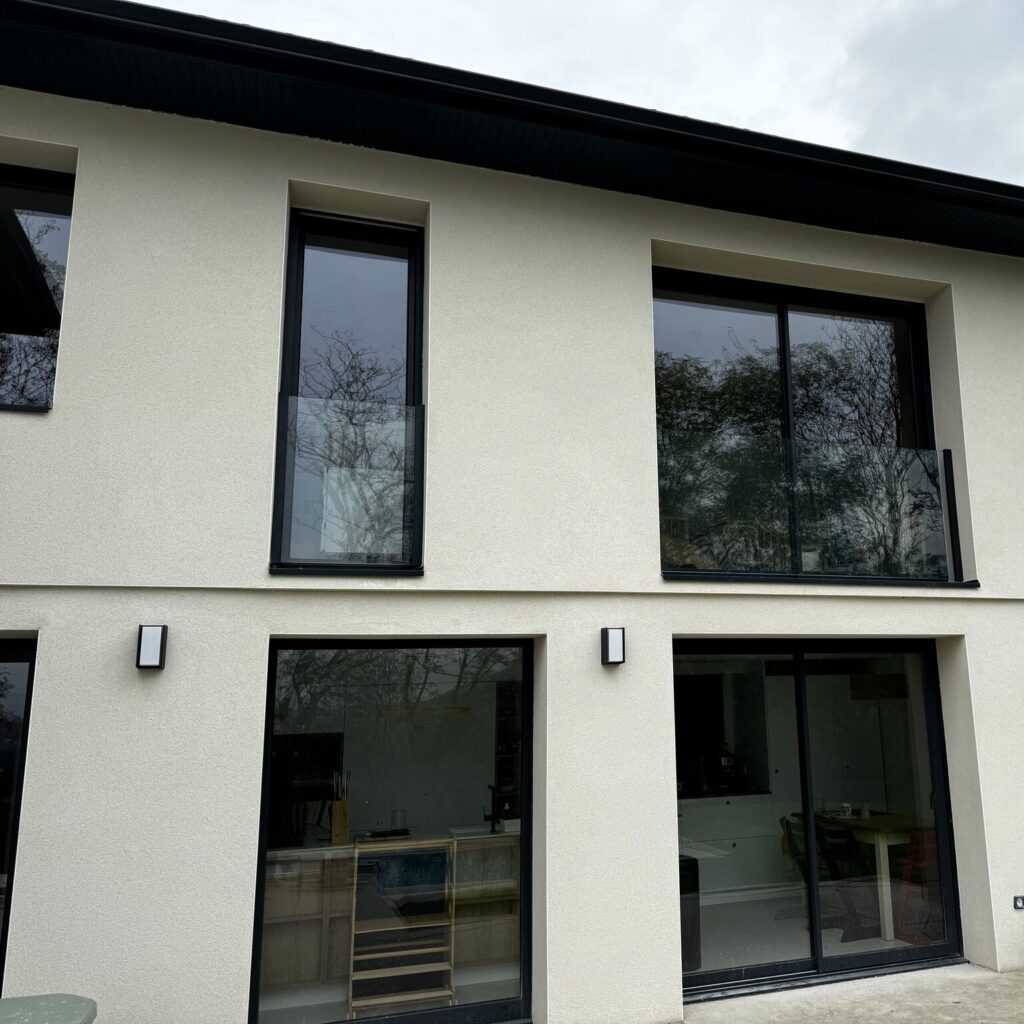
A Juliet balcony is a protective barrier installed across the outside of full-height doors or large windows on an upper floor.
Unlike a traditional balcony, it doesn’t have a platform to stand on. Instead, it acts as a safety barrier, allowing doors to be opened fully without creating a fall risk.
Juliet balconies are commonly installed on:
- Loft conversions
- Bedrooms
- Home extensions
- Apartments
- New-build properties
Modern systems are often manufactured using toughened glass with stainless steel or aluminium fixings to create a contemporary appearance while maintaining safety.
How Safe Are Juliet Balconies?
A properly installed Juliet balcony is designed specifically to prevent falls from upper-storey openings.
The barrier is securely fixed to the building and engineered to withstand the loads specified by relevant UK Building Regulations.
As long as the system has been correctly specified and professionally installed, homeowners can confidently open their doors to enjoy fresh air without compromising safety.
What Makes a Juliet Balcony Safe?
Several factors contribute to the safety of a Juliet balcony.
Toughened or Laminated Safety Glass
Most modern glass Juliet balconies use toughened or laminated safety glass.
Toughened glass is significantly stronger than standard glass and is manufactured to withstand everyday impacts. Laminated glass includes an interlayer that helps keep the panel in place if it is damaged.
The appropriate glass specification will depend on the installation and applicable building requirements.
Strong Fixings
The glass is only one part of the system.
High-quality brackets, stainless steel fixings and aluminium channels help secure the balcony safely to the building’s structure. These components are designed to withstand long-term use and changing weather conditions.
Professional Installation
Even the highest-quality products rely on correct installation.
Secure fixing points, accurate measurements and proper alignment all contribute to the long-term safety of the system.
Choosing experienced installers or high-quality manufactured systems helps ensure reliable performance.
Are Juliet Balconies Safe for Families?
Many homeowners with young children understandably ask whether Juliet balconies are family friendly.
When correctly installed, they provide an effective barrier that significantly reduces the risk of falls from full-height doors.
However, as with any safety feature, sensible precautions should still be taken.
Parents should avoid placing furniture close to the barrier that could be climbed on and should always supervise young children around open doors or windows.
The balcony should never be treated as a climbing frame or play area.
Do Juliet Balconies Meet UK Safety Standards?
Yes, provided they’re manufactured and installed in accordance with relevant regulations.
Glass thickness, fixing methods, barrier height and structural performance all contribute to compliance.
If you’re planning a new installation, it’s worth familiarising yourself with current UK balcony safety requirements to ensure the chosen system meets the appropriate standards for your property.
Working with reputable suppliers also helps ensure products are designed with compliance in mind.
Can Glass Juliet Balconies Break?
While no material is completely indestructible, safety glass is specifically engineered for structural use.
It is far stronger than ordinary household glass and is designed to resist everyday impacts.
Damage is uncommon under normal use, but if a panel becomes chipped or cracked following a significant impact, it should be inspected and replaced if necessary.
Routine visual inspections help identify any issues before they become a concern.
How to Keep a Juliet Balcony Safe
Maintaining a Juliet balcony is straightforward and helps preserve both its appearance and performance.
Simple maintenance includes:
- Cleaning the glass regularly
- Checking fixings for signs of movement
- Inspecting brackets for corrosion
- Ensuring drainage areas remain clear
- Reporting any visible damage promptly
These simple checks can help extend the lifespan of the system while ensuring it continues to perform safely.
Choosing a Quality Juliet Balcony
Not all Juliet balconies are manufactured to the same standard.
When comparing products, look for systems that use:
- Toughened or laminated safety glass
- Corrosion-resistant stainless steel or aluminium hardware
- High-quality engineering
- Components suitable for UK installations
If you’re looking for bespoke Juliet balcony solutions, Balustrade Superstore offers a range of made-to-measure systems designed to combine modern aesthetics with long-lasting safety and durability.
Choosing a bespoke solution also helps ensure the balcony fits your property perfectly while complementing its overall design.
Final Thoughts
Juliet balconies are a safe and practical addition to many homes when manufactured from quality materials and installed correctly. Their purpose is to provide reliable fall protection while allowing homeowners to enjoy larger openings, improved ventilation and uninterrupted views.
By choosing a professionally designed system that complies with UK standards and carrying out simple routine maintenance, you can enjoy the benefits of a Juliet balcony with confidence for many years to come.
Posted in Uncategorized
