 Skip to content

Adding a glass balcony to your home can transform both its appearance and the way you use your space. We’re often asked whether planning permission for a glass balcony is required before installing one, and the answer depends on several factors. In this guide, we’ll explain what a glass balcony is, when planning permission may be necessary, and what you should consider before making an application.
What is a Glass Balcony?
A glass balcony is a raised external platform that projects from an upper floor of a property and is enclosed with glass balustrades rather than traditional timber or metal railings. The defining feature is the use of toughened or laminated safety glass, which offers unobstructed views while providing protection.
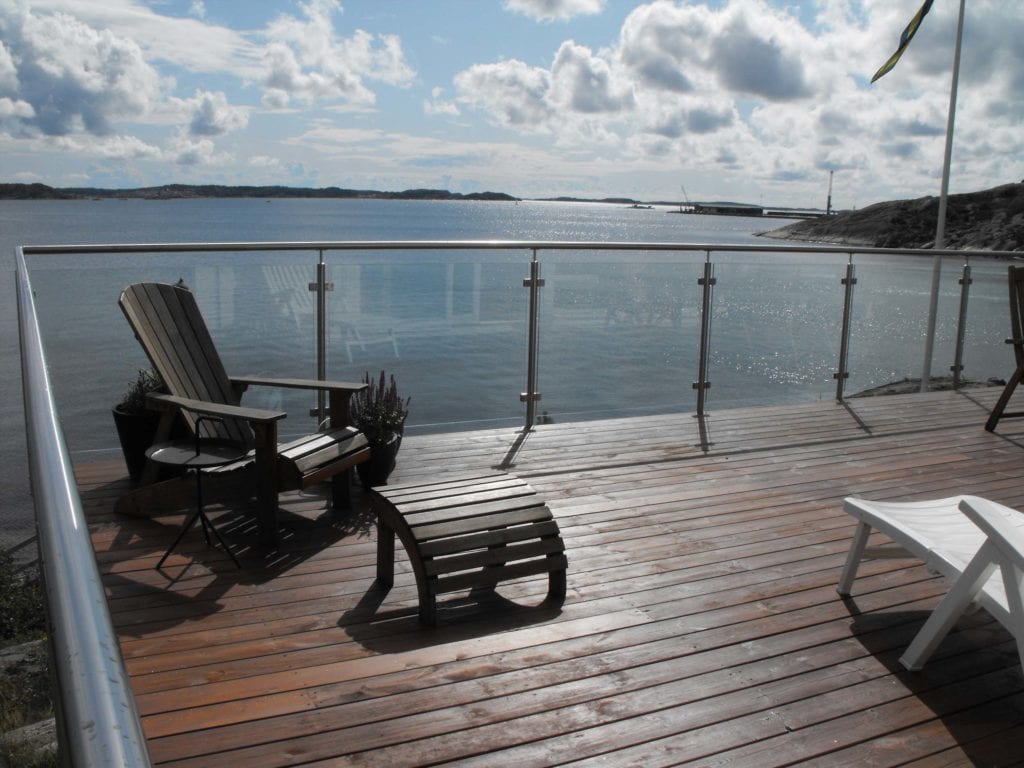
Glass balconies are popular in both contemporary new builds and renovated period homes. They allow natural light to flow freely into the property and create a seamless connection between indoor and outdoor space. Depending on the design, they may include a fully walkable platform with structural supports or take the form of a Juliet balcony, where glass balustrades are fixed in front of doors without a projecting deck.
Beyond aesthetics, glass balconies are chosen for their durability, low maintenance requirements, and ability to enhance the sense of space within a home.
Do I Need Planning Permission?
In many cases, you will need planning permission to install a glass balcony. Under UK planning rules, adding a balcony, veranda, or raised platform is not usually classed as permitted development. This means that even if other types of home improvements can be carried out without formal approval, a balcony often cannot.
Planning permission is typically required because a balcony can affect neighbouring properties in terms of privacy, overlooking, and visual impact. Local planning authorities will consider how the structure changes the appearance of your home and whether it alters the character of the surrounding area.
There may be limited exceptions for very specific circumstances, but generally, we recommend assuming that planning permission will be needed for a fully projecting glass balcony. Before committing to a design, it is wise to consult your local planning department or seek advice from a qualified architectural professional.
What About Upgrading an Existing Balcony?
If you already have a balcony and simply want to replace old railings with modern glass balustrades, the situation can be different. In some cases, replacing like-for-like or making minor alterations may not require full planning permission, especially if the size and footprint of the balcony remain unchanged.
However, if the upgrade significantly alters the appearance of the property, increases the projection, or changes structural elements, your local authority may still require an application. We always suggest checking before carrying out works, as assumptions can lead to enforcement issues later.
It is also important to ensure that any upgrade complies with current Building Regulations, particularly those relating to structural integrity and fall protection.
My Home is a Listed Building
If your property is listed, you will almost certainly need Listed Building Consent before installing or altering a balcony. Listed status recognises a building’s historic or architectural importance, and any changes that affect its character require approval.
Even seemingly minor changes, such as installing frameless glass balustrades, can be considered significant in the context of a heritage property. In addition to Listed Building Consent, you may also need planning permission.
We strongly advise engaging with your local conservation officer early in the process. Sensitive design, sympathetic materials, and clear justification for the alteration will all play a role in whether consent is granted.
Do I Need Planning Permission for a Juliet Balcony?
A Juliet balcony differs from a traditional balcony because it does not create additional floor space. Instead, it consists of a balustrade installed across the opening of French or bi-fold doors on an upper floor.
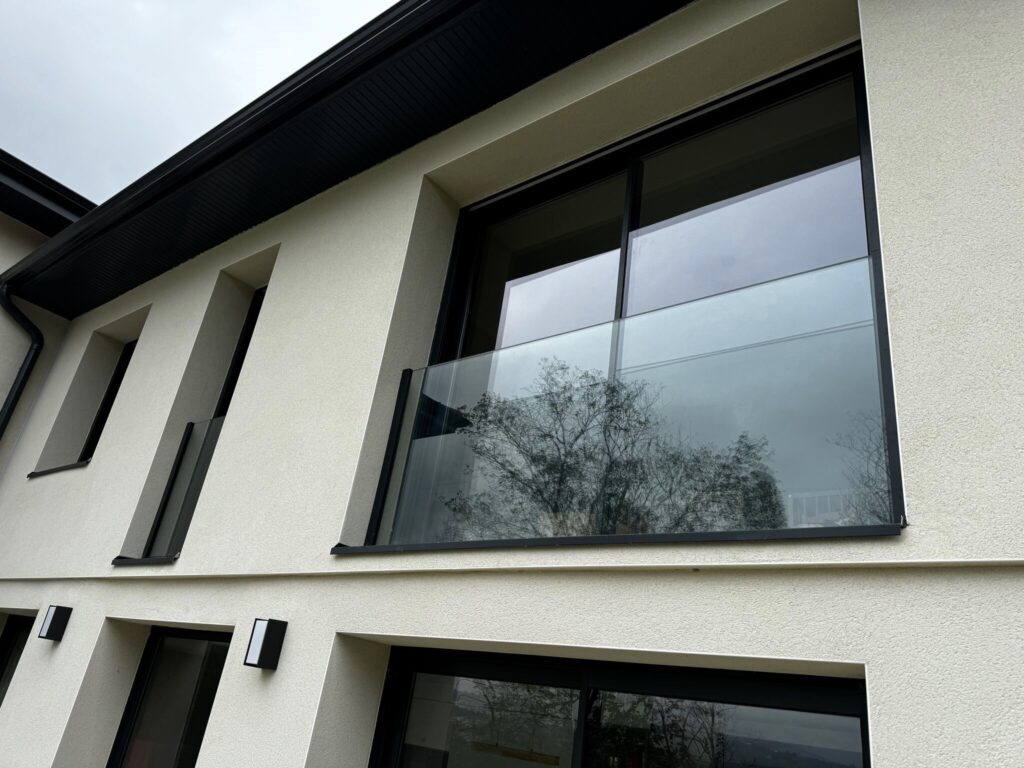
In some cases, a Juliet balcony may fall under permitted development, particularly if it does not project significantly from the building. However, rules can vary depending on the property type, location, and whether previous planning restrictions apply.
Although a Juliet balcony is generally less intrusive than a full balcony, we still recommend confirming with your local authority before proceeding. This small step can prevent costly misunderstandings.
Will a Glass Balcony Add Value to my Property?
A well-designed glass balcony can enhance the appeal and market value of a property. Buyers are often attracted to homes that maximise natural light and offer usable outdoor space, especially in urban areas where gardens may be limited.
By improving views and creating an attractive architectural feature, a glass balcony can make a property stand out. Estate agents frequently note that modern, high-quality additions can increase desirability, provided they are in keeping with the overall design of the home.
That said, value is influenced by location, build quality, and buyer demand. A poorly designed or unauthorised balcony could have the opposite effect, particularly if it becomes the subject of a planning dispute.
Before Applying
Before submitting a planning application, you should carefully consider how a glass balcony might affect the property and its surroundings.
Blocking light can be a concern, particularly if the structure casts shadows over neighbouring windows or gardens. Planning officers will assess whether the balcony causes a loss of light that could harm residential amenity.
Safety is another crucial factor. Glass balconies must comply with Building Regulations relating to the prevention of falls. The height and strength of the balustrade, the type of glass used, and the structural supports must all meet required standards. Toughened or laminated safety glass is typically specified to reduce the risk of injury.
Local aesthetics also matter. In areas with a consistent architectural style, an ultra-modern glass balcony may appear out of place. Planning authorities often assess whether the design complements the character of the street or neighbourhood. A thoughtful, proportionate design that respects the existing building is more likely to gain approval.
We should also consider privacy. Overlooking neighbouring properties can be one of the main reasons applications are refused. Screening solutions or careful positioning may help address these concerns.
What if Planning Permission is Refused?
If planning permission is refused, it is not necessarily the end of the road. We may have the option to revise and resubmit the application, addressing the concerns raised by the planning officer. Common issues such as privacy, scale, or materials can often be resolved through design changes.
Alternatively, there is a right of appeal to the Planning Inspectorate. However, appeals can be time-consuming and may not always succeed. In many cases, adapting the proposal to better align with local guidance is a more practical solution.
Seeking professional advice early on can reduce the risk of refusal. Architects and planning consultants understand local policies and can help shape a design that balances ambition with compliance.
While glass balconies offer striking visual appeal and practical benefits, planning considerations should never be overlooked. By understanding the rules, consulting with your local authority, and prioritising safety and design quality, you can approach the process with confidence and give your project the best chance of success.
