

No products in the basket.
When choosing a glass balustrade system, one of the most important decisions we make with our customers is whether laminated or toughened glass is the right solution. While both options offer strength, safety and a sleek contemporary appearance, they are designed for different applications and environments. Understanding the correct use of each type of glass is essential to ensure safety, durability and full compliance with UK Building Regulations.
In this guide, we explain the key differences between laminated and toughened glass balustrades, where each is typically used, and how they align with British Standards and building regulations.
What Is Toughened Glass?
Toughened glass, sometimes referred to as tempered glass, is heat-treated during manufacture to make it significantly stronger than standard annealed glass. When it breaks, it shatters into small, relatively blunt fragments rather than sharp shards, reducing the risk of serious injury.
We typically recommend toughened glass in environments where strength and impact resistance are key, but where there is no requirement for the glass to remain in place if broken. It is commonly used for internal residential balustrades, such as staircases and landing areas, where there is minimal risk of falling from height beyond the protected zone.
In commercial interiors such as offices, retail units, cafés and restaurants, toughened glass can also be suitable for internal guarding applications, provided the installation meets the required loadings and fixing specifications set out in British Standards.
However, toughened glass on its own is generally not considered sufficient for higher-risk areas such as balconies or raised external platforms. In these locations, additional safety performance is required.
What Is Laminated Glass?
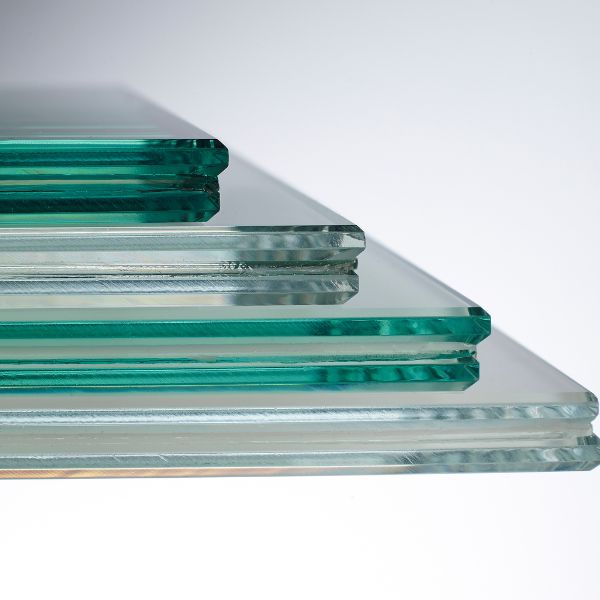
Laminated glass consists of two or more layers of glass bonded together with an interlayer, typically polyvinyl butyral (PVB). If the glass breaks, the interlayer holds the fragments in place, maintaining a barrier and significantly reducing the risk of someone falling through.
For this reason, we strongly recommend laminated glass for external balconies, roof terraces, raised decks and any application where there is a risk of a fall from height. It provides residual structural integrity even after breakage, which is critical in meeting safety expectations.
In commercial environments, laminated glass is frequently specified for mezzanines, shopping centres, office atriums and hospitality venues where higher footfall and increased loading requirements apply. It is also often used in areas where enhanced acoustic performance or additional security is beneficial.
In many cases, the most robust solution is toughened laminated glass, which combines the strength of toughening with the fail-safe behaviour of lamination.
British Standards and Building Regulations
When supplying and advising on glass balustrade systems, we always refer to the relevant British Standards and Building Regulations to ensure compliance.
Structural glass used in balustrades should comply with BS EN 12150 for toughened safety glass and BS EN 14449 for laminated safety glass. Impact performance classification is typically assessed in accordance with BS EN 12600. For barrier loadings, BS 6180 provides guidance on the design and installation of barriers in and about buildings, including line loads, uniformly distributed loads and concentrated loads depending on whether the setting is residential, office or public access.
Building Regulations in England, particularly Approved Document K, set out requirements for protection from falling, collision and impact. The regulations define minimum barrier heights, generally 900mm for internal guarding and 1100mm for balconies and external areas, along with performance requirements for resisting horizontal loads.
In higher-risk environments such as public buildings, restaurants, retail spaces and offices, the imposed loads are greater than those in private residential dwellings. As a result, laminated glass is often necessary to meet both structural and safety expectations.
Residential Applications: Indoor and Outdoor
For indoor residential staircases and landing areas, toughened glass panels can be suitable when correctly specified and installed within a compliant system. The environment is controlled and loading requirements are typically lower than in commercial settings.
For external residential applications such as balconies and raised terraces, laminated glass is usually the correct choice. Because these areas present a clear fall risk, the glass must continue to act as a barrier even if damaged. Using laminated or toughened laminated glass provides peace of mind and aligns with best practice under British Standards.
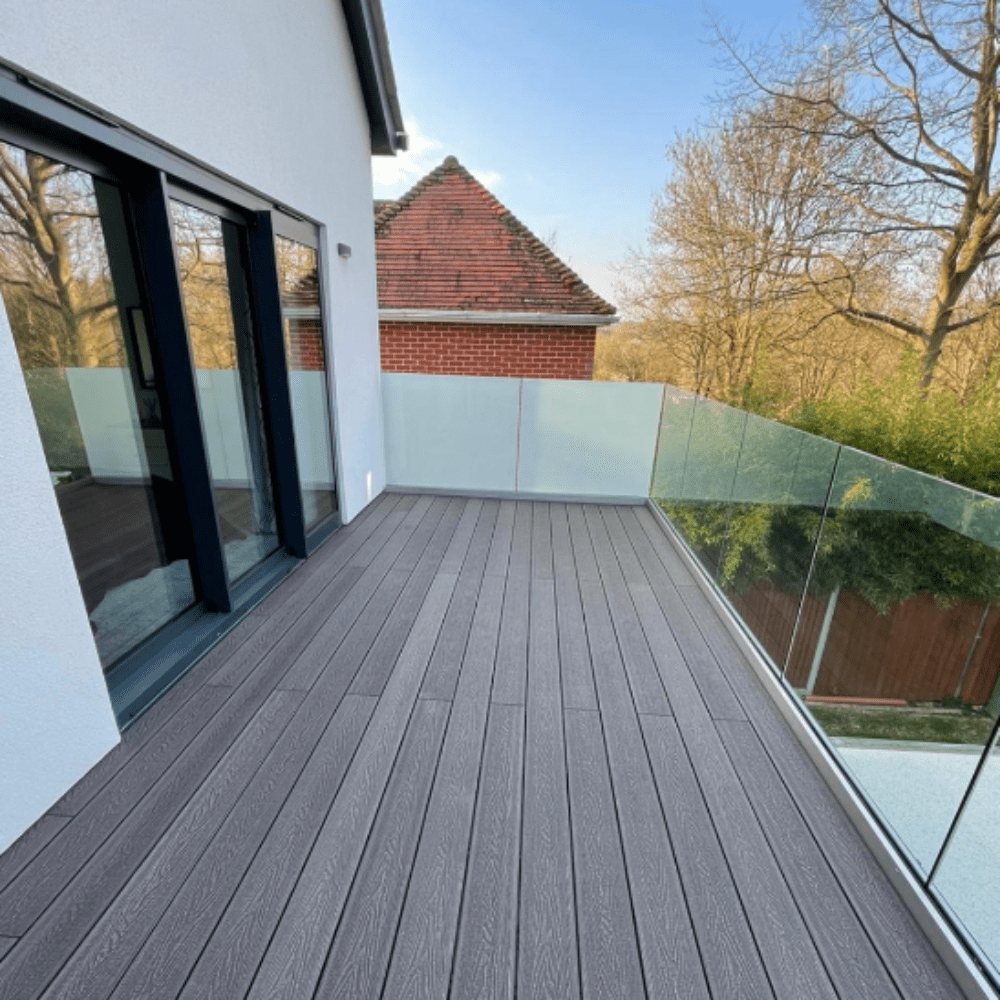
Ground-level Garden balustrades or patio screens may allow more flexibility, but we always assess each project individually to ensure it meets regulatory requirements.
Commercial Applications
In commercial settings, compliance and durability are paramount. Offices, cafés, restaurants and retail spaces often fall into categories that require higher barrier loadings under BS 6180. In these environments, laminated glass is frequently specified, particularly in mezzanines, atriums and areas accessible to the public.
For internal decorative or low-risk applications within commercial spaces, toughened glass may still be appropriate, provided it satisfies impact and loading requirements. The final decision should always be based on the building’s usage category and a clear understanding of regulatory obligations.
Glass Balustrades and Compliance
Glass balustrades are not simply an aesthetic feature; they are a critical safety element within a building. Selecting the wrong type of glass can result in non-compliance with Building Regulations, increased liability and potential safety risks.
We always advise ensuring that any balustrade system is designed with the correct glass specification, fixing method and structural support to meet British Standards. Where necessary, consultation with a structural engineer or building control officer may be required, particularly for larger commercial or high-rise projects.
By understanding the differences between laminated and toughened glass, and by applying them correctly in residential and commercial environments, we can deliver balustrade systems that are not only visually striking but fully compliant and built to last.
If you are unsure which option is right for your project, we recommend getting in touch early in the design process. The right specification at the outset ensures safety, compliance and long-term performance.
Posted in Glass Balustrades
